
Chobani is preparing to establish a major dairy manufacturing operation in Pennsylvania, bringing a $1.2 billion investment to the Lehigh Valley and creating a potentially significant new market for milk produced by farms across the state.
The company plans to take over a 1.5-million-square-foot manufacturing and warehouse complex in Upper Macungie Township, near Allentown, and invest in the facility over the next five years. The project is expected to create more than 900 full-time jobs and eventually require more than 3 billion pounds of Pennsylvania milk each year.
The size of the proposed milk supply illustrates both the opportunity and the challenge facing Pennsylvania’s dairy industry. Chobani will need a substantial and dependable supply of milk as production expands, placing greater attention on the farms, infrastructure and supply networks capable of supporting the operation.
A Major New Market for Pennsylvania Milk
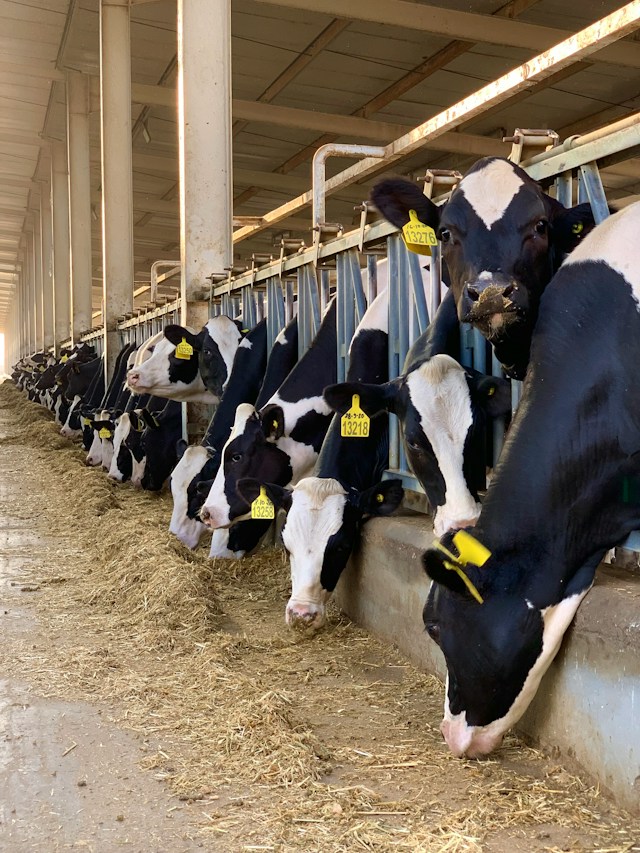
Chobani’s planned facility represents one of the largest new sources of dairy demand in Pennsylvania in decades. At full production, the company expects to process more than 3 billion pounds of milk annually, an amount equivalent to roughly 30% of the milk currently produced in the Commonwealth.
Pennsylvania is one of the country’s major dairy-producing states and has thousands of family-owned dairy farms. State officials estimate that the Chobani project could expand market opportunities for more than 4,000 dairy farm businesses.
The company has said the plant will manufacture products beyond its traditional yogurt offerings. Chobani has also identified high-protein, low-sugar milk as one product requiring the additional production capacity. The location gives the company access to both a large agricultural base and major consumer markets in the Northeast.
Pennsylvania’s Dairy Industry Faces a Supply Challenge
The state’s milk production has declined over the past decade. Lancaster Farming reported that Pennsylvania produced roughly 10 billion pounds of milk in 2025 and that production had fallen by about 10% over the preceding decade. The publication also noted that Pennsylvania’s milk production per cow trails some other major dairy-producing states.
That creates an important question surrounding the Chobani expansion:
Can Pennsylvania’s dairy industry increase production enough to supply the new facility without relying on milk from outside the state?
Chobani and Pennsylvania officials have said the goal is to source the facility’s milk within Pennsylvania. Meeting that target will depend on the ability of existing farms to expand, new farms entering the industry, improvements in productivity and the development of an efficient collection and transportation network.
The company does not need all 3 billion pounds of milk immediately. Production at the facility is expected to begin in 2027, with the investment and operations expanding over several years. That gives farmers and the broader dairy industry time to adjust, but it also means the scale of the eventual demand is still a projection rather than a current purchasing requirement.
Farmers Will Need More Than a New Buyer
A large processor can create an important market, but dairy farms also need the capacity to respond to that demand.
Pennsylvania officials have acknowledged this issue by making additional financial assistance available to dairy producers. The Shapiro administration says $127 million in loans and grants will continue to be available to eligible Pennsylvania dairy farmers to help them respond to the additional demand created by the project.
Those resources could support investments needed to increase production or modernize farm operations. The larger issue is that dairy expansion involves substantial capital, labor, feed, land, animal-health management and environmental infrastructure.
Milk production also cannot increase instantly. Dairy farms need time to expand herds, construct or improve facilities and develop the labor and feed systems needed to support larger operations.
That makes the relationship between Chobani and Pennsylvania farmers an important part of the project’s long-term success.
Infrastructure Is Another Piece of the Equation
The manufacturing plant itself is only one component of the expansion.
The Commonwealth is providing $50 million through the Pennsylvania Strategic Investments to Enhance Sites, or PA SITES, program for infrastructure and site improvements connected to the project. State officials have identified water, wastewater and energy infrastructure as important components of the facility’s expansion. The dairy supply chain will require infrastructure as well. Milk must be collected from farms, transported to processing facilities and handled under strict quality and temperature requirements.
As the volume of milk moving through Pennsylvania increases, transportation distances, processing capacity and logistics will become increasingly important. A new large-scale processor can create opportunities for farms, but the surrounding supply chain has to expand alongside it.
An Existing Facility Gives Chobani a Head Start
One notable feature of the project is that Chobani is not starting with an empty site.
The company is acquiring the former Keurig Dr Pepper manufacturing facility, including its equipment and related infrastructure. The plant, which covers approximately 1.5 million square feet, opened for production in 2021. Chobani plans to add equipment, technology and production capabilities as part of its expansion.
Using an existing industrial facility can shorten the path toward production compared with constructing an entirely new manufacturing campus. It also allows the company to build upon infrastructure and a facility that was already designed for large-scale food and beverage manufacturing.
The location is another factor. The Lehigh Valley provides access to major population centers throughout the Northeast while remaining relatively close to Pennsylvania’s agricultural regions. Those logistical advantages were among the factors cited in Chobani’s decision to locate there.
What the Investment Could Mean for Rural Communities
The potential effects extend beyond individual milk contracts.
Dairy farms generate economic activity through purchases of feed, equipment, veterinary services, fuel, transportation and other agricultural products. When farms expand or remain viable, those purchases can support businesses in rural communities.
Pennsylvania has more than 4,000 dairy farms, and state officials have emphasized the connection between dairy production and the rural economy. The Center for Dairy Excellence has similarly described the Chobani project as an opportunity to strengthen individual farm businesses and communities dependent on agricultural revenue.
The project also creates jobs directly at the processing facility. Chobani expects to employ more than 900 people once the operation is developed over the next five years. Those positions would add another component to the regional economic impact alongside farm production and supplier activity.
Questions Remain About How the Supply Will Develop
The scale of Chobani’s planned milk demand also highlights several uncertainties.
The projected 3 billion pounds represents the company’s anticipated requirement once the facility reaches full scale, not the amount Pennsylvania farmers must supply immediately. The company is expected to increase operations over time, with production scheduled to begin in 2027.
It is also not yet clear how much of the additional milk will come from expanded production on existing farms versus new or returning dairy operations. Farm expansion requires significant investment, and Pennsylvania’s recent production trends show that increasing total output will not necessarily be straightforward.
Another consideration is the broader dairy market. A major new buyer could affect competition for milk and transportation logistics, but the actual effect on farm-level prices and producer economics will depend on contracts, market conditions, processing capacity and other factors that cannot be determined from the announced investment alone.
These details will become clearer as Chobani begins contracting with producers and moves from construction and preparation into full-scale production.
A Significant Test for Pennsylvania Dairy
Chobani’s expansion gives Pennsylvania dairy farmers something the industry has been seeking: a large new source of processing demand located within the state.
The project also places a substantial responsibility on the agricultural sector. Supplying billions of pounds of milk will require farms, processors, transportation companies, utilities and government programs to operate as parts of a much larger system.
The next several years will show how much Pennsylvania’s dairy industry can expand to meet that demand and how the benefits are distributed across farms and rural communities. For now, the investment represents a major change in the state’s dairy market, but its ultimate effect will depend on how successfully Pennsylvania producers and the new processing operation grow together.