
Pennsylvania is investing nearly $600,000 in small meat-processing businesses to expand local production capacity, improve food safety and worker protections, and create additional opportunities for livestock farmers. The funding, announced September 24, 2026, by Agriculture Secretary Russell Redding, will support 10 businesses across eight counties through the state’s Very Small Meat and Poultry Processor Reimbursement Grant Program.
The initiative targets a critical part of the agricultural supply chain: the facilities that turn livestock raised on farms into products that can be sold to consumers. By helping smaller processors upgrade equipment and expand operations, the state aims to strengthen connections between Pennsylvania farmers, local businesses, and customers seeking locally produced meat.
Ten Businesses Receive State Funding
The latest awards cover businesses in Bradford, Chester, Lycoming, Monroe, Susquehanna, Wayne, Westmoreland, and York counties. Individual grantsv range from $15,181 to $71,673, providing financial assistance for eligible processing-related expenses.
Among the recipients, Bryan’s Meat Cutting in Bradford County received $71,673, while Waldron Custom Meats in Susquehanna County was awarded the same amount. Whitmore Quality Custom Cuts in Wayne County received $68,842, and Weimer Meats in Westmoreland County received $67,239.
Two York County businesses, DeTraglia Farm and Cabin Hollow Butcher Shop, received $61,277 and $71,673, respectively. Other recipients include Clarkco Meats in Chester County, Gary Gibson in Lycoming County, and Monroe County businesses Stryker Farm and Finest Kind Provisions.
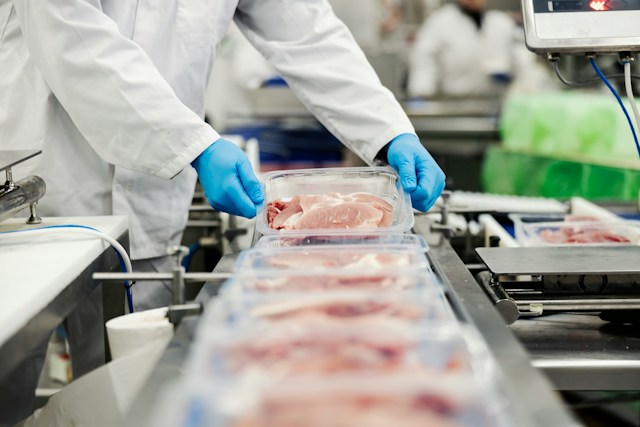
The awards are intended to help small processors manage the costs of opening new facilities or expanding existing operations. Eligible expenses can include processing equipment, improvements related to food and worker safety, employee training, and costs associated with obtaining federal inspection through the U.S. Department of Agriculture’s Food Safety and Inspection Service.
Why Local Meat Processing Matters to Pennsylvania Farmers
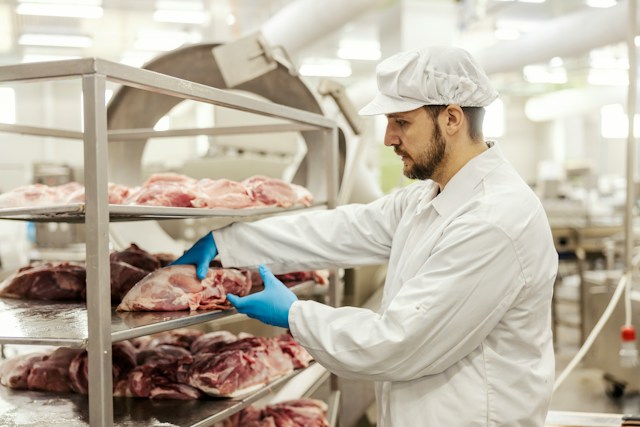
Small meat processors provide an important service to livestock producers, particularly farms that sell directly to households, farm markets, and local retailers. Access to nearby processing facilities can reduce transportation demands and give farmers more options for bringing their products to market.
Processing capacity also affects how efficiently farms can operate. When facilities have limited space, equipment, or staffing, producers may face longer waits to have animals processed. Expanding local capacity can help address these constraints and make direct-to-consumer sales more practical.
The state estimates that Pennsylvania’s beef industry contributes approximately $1 billion annually to the economy and supports nearly 14,000 jobs. More than 13,000 beef cattle farms raise over 1.6 million cattle and calves across the Commonwealth. These figures illustrate the economic importance of maintaining a reliable network of processing businesses.
For smaller farms, the availability of a nearby processor can be particularly significant. It can help reduce travel expenses and make it easier to offer locally raised beef and other meat products to customers. However, the extent to which these grants will reduce processing delays or lower costs for individual farmers has not yet been established.
Previous Investments Demonstrate Continued State Support
The latest funding round builds on Pennsylvania’s broader effort to strengthen small meat and poultry processors. Since 2023, the state reports that it has invested more than $1.68 million through the reimbursement program to support the expansion of 26 small businesses.
An earlier recipient illustrates how the funding can be used. Meatheads Market, also known as B & P Meats, in Brookville received a $93,769 grant in January 2025. The funding supported equipment purchases that improved processing efficiency and food and worker safety. The business also received food-safety consultation to help it expand into USDA-inspected smoked and cooked products, broadening the range of goods it could offer customers.
That example demonstrates the potential benefits beyond simply increasing processing volume. Equipment upgrades and inspection-related assistance can also help a business develop new product lines and reach additional markets.
The grants are part of Pennsylvania’s broader Farm Bill investment, which provides funding for agricultural infrastructure, workforce development, business planning, and market opportunities. The state allocated $13.8 million annually to PA Farm Bill programs under the budgets highlighted in its agricultural investment announcements.
Applications Open for the Next Grant Round
Pennsylvania is accepting applications for the 2026–27 Very Small Meat and Poultry Processor Reimbursement Grant Program. The state budget provides $500,000 for this round, with individual awards capped at $100,000. Applications are due by November 6, 2026.
The program is designed to reimburse eligible costs associated with establishing a new meat or poultry processing operation, expanding an existing facility, or meeting federal inspection requirements. Interested businesses can review the eligibility requirements and application instructions through the Pennsylvania Department of Agriculture.
The application window offers another opportunity for small processors to pursue improvements that may otherwise be difficult to finance. Businesses will need to review the program’s specific requirements to determine which expenses qualify for reimbursement.
Long-Term Impact Will Depend on Processing Capacity and Demand
Expanding small-scale meat processing could benefit farmers, rural businesses, and consumers by strengthening the infrastructure that connects livestock production with local markets. Additional equipment and improved facilities may help processors handle more work, meet inspection requirements, and diversify their offerings.
Still, the size of the investment alone does not establish how much additional processing capacity will become available. The state’s announcement does not quantify the expected increase in animals processed, the number of jobs that will be created or retained, or the extent to which the grants may affect processing prices and wait times.
Those measures will be important for evaluating the program’s long-term effectiveness. Tracking completed facility improvements, changes in processing volume, and the number of farmers served would provide a clearer picture of how public funding translates into practical benefits.
For Pennsylvania’s agricultural sector, the central challenge is ensuring that local processing infrastructure can keep pace with the needs of livestock producers and consumer demand. Continued investment in small businesses may help address that challenge, particularly when paired with measurable results and sustained access to skilled workers.
The latest awards represent another step in Pennsylvania’s effort to strengthen its agricultural supply chain. Their broader significance will become clearer as the funded businesses complete their projects and demonstrate how the improvements affect local farms, processing operations, and food markets.