
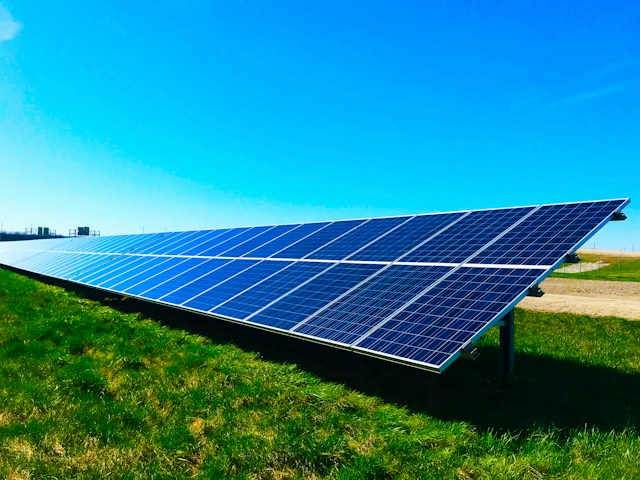
Penn State Extension will host a webinar on October 22 examining how local governments in Pennsylvania regulate large-scale solar energy facilities. The session is intended to give landowners, farmers, local officials, energy professionals and others a better understanding of the local approval process and the role communities can play in decisions involving large solar developments.
Understanding Solar Development at the Local Level
Large solar projects are often discussed as part of broader state and national energy policies, but many of the practical questions surrounding a proposed facility are handled much closer to home.
The October 22 session will focus on how municipalities approach large-scale solar development and what authority local governments have when reviewing these projects. The webinar will be led by Tom Murphy, a Pennsylvania R-STEP energy adviser who works with county and local governments. The session is scheduled for 10 to 10:45 a.m.
The emphasis on local government is particularly relevant in rural areas, where utility-scale solar projects can involve large amounts of land and can raise questions about agriculture, property use, community planning and the compatibility of new energy infrastructure with existing development.
What Local Governments Can Address
One of the central topics will be the tools municipalities have available to address concerns related to large-scale solar facilities. That can include understanding local regulations, the development review process and opportunities for community participation. The session will also distinguish between issues that can be handled through local regulation and matters that fall under other state or regulatory processes.
That distinction is important because municipalities do not necessarily control every aspect of an energy project. Some approvals and environmental requirements are handled at the state level, while local governments may have authority over areas such as land use and development standards.
For residents and property owners, understanding where those responsibilities fall can help clarify where questions or concerns should be directed.
Why the Topic Matters to Pennsylvania’s Rural Communities
Large-scale solar development can create economic and energy opportunities while also creating land-use questions for communities.
Pennsylvania has substantial agricultural land, and farmers may be approached about leasing or selling property for solar installations. A proposed project can therefore affect not only the landowner involved but also surrounding land uses and long-term community planning.
Local officials may also have to consider how large facilities fit into existing development patterns and how communities want to manage future growth.
These questions can become particularly important in areas where farmland, residential development, forests and energy infrastructure exist close together. The webinar provides an opportunity to better understand the local regulatory tools available before a project reaches the later stages of development.
Community Participation Is Part of the Process
Another focus of the webinar will be opportunities for community members to participate in the local process. That is significant because residents may encounter a proposed solar project through municipal meetings, planning and zoning proceedings or other local review processes. Knowing how those processes work can help residents distinguish between general concerns and issues that local officials have legal authority to consider.
The session is also aimed at landowners and farmers, who may be considering the potential financial implications of hosting a solar facility on their property.
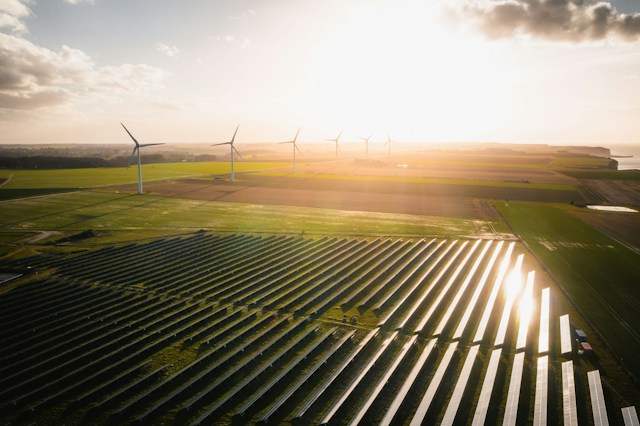
Solar Development Is Part of a Larger Land-Use Debate
The timing of the webinar comes as Pennsylvania communities face a growing number of questions about how energy infrastructure should be integrated into local planning.
The broader Penn State Extension land-use webinar series is also examining other community-planning issues this fall, including geographic tools for community planning, conflict management, greenways and trails, and the effects of data centers on workforce and land use.
The range of topics illustrates that energy development is increasingly connected to broader questions about how Pennsylvania communities use land and plan for future growth.
Solar projects are also being discussed alongside other major infrastructure demands. Recent Pennsylvania energy reporting has focused on rising electricity demand from data centers, transmission infrastructure and questions about electric-grid reliability.
Webinar Details
Registration for the webinar and additional information are available through Penn State Extension. Pennsylvania residents should use this as an opportunity to better understand one of the most important parts of the process: what happens at the local level, what authority municipalities have, and where residents can participate.