
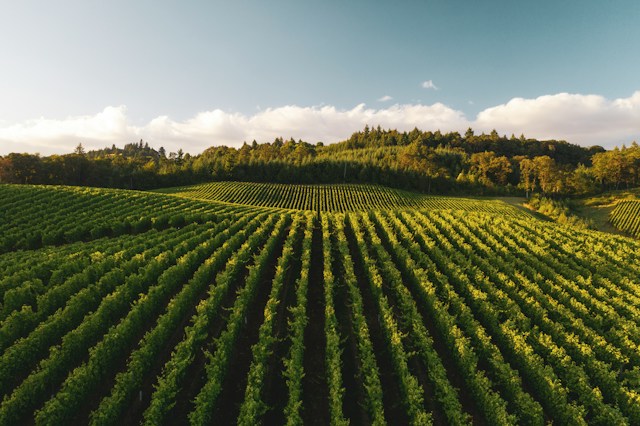
Pennsylvania is putting more than $9.1 million toward preserving 2,565 acres of farmland across 16 counties, using conservation easements to prevent the properties from being converted to residential or commercial development.
The latest investment covers 34 farms and is part of Pennsylvania’s Farmland Preservation Program, a state initiative that works with county and local governments, and in some cases nonprofit organizations, to purchase development rights from agricultural landowners. The agreements are intended to keep the properties available for agricultural use permanently.
The program provides a financial option for farm owners who want to retain their land’s agricultural future while receiving compensation for giving up the ability to develop it for other purposes.
Development Rights Stay With the Property
The preservation process does not require the state or a county to purchase the farm itself. Instead, landowners sell development rights through a conservation easement that becomes part of the property’s deed.
That restriction remains in place even if the property changes hands. A future owner can continue farming the land, but the easement limits its conversion to development.
This distinction makes farmland preservation different from simply purchasing agricultural property. The land remains privately owned and can continue to function as a working farm, while the development rights are permanently restricted.
For communities experiencing development pressure, the approach can protect agricultural acreage without requiring governments to acquire and manage entire farms.
Preserving Larger Blocks of Farmland
Some of the projects are notable because they connect with farmland that has already been preserved. In Cumberland County, the 190-acre John and Cynthia Clouse Farm will become part of a nearly 800-acre block of federally preserved farmland in an identified high-priority area of the Kittatinny Ridge Conservation Landscape.
In Schuylkill County, preservation of the Musser family’s 123-acre farm represents a second preserved parcel owned by the family. The addition creates a five-farm, 434-acre block of protected agricultural land.
A Lehigh County project also expands an existing preservation effort. The county’s second preserved farm increases the protected portion of property previously donated to the county to 406 acres, representing 90% of that donated acreage.
These larger connected areas can provide a different conservation benefit from isolated preserved properties. Maintaining contiguous agricultural acreage can reduce fragmentation and help keep established farming areas intact as surrounding land is developed.
A Long-Term Preservation Program
Pennsylvania’s current investment is part of a program that has been operating since 1988. According to state figures, Pennsylvania has preserved 6,759 farms totaling 669,854 acres across 58 counties since the program began.
The state, counties and local governments have collectively invested more than $1.82 billion in the program over that period. The latest $9.1 million investment therefore represents a relatively small portion of the program’s nearly four-decade history, but it adds another 2,565 acres to the state’s protected agricultural base.
The program’s scale also illustrates the difference between preserving individual farms and protecting farmland at the statewide level. Individual easements can appear relatively small, but thousands of agreements can collectively prevent hundreds of thousands of acres from being converted to other uses.
Local Contributions Remain Part of the Model
The state’s contribution is not the only source of money involved in the current round. Counties and townships are providing additional funding for several properties.
For example, the Centre County project involving a 152-acre crop and livestock farm represents approximately $509,000 in total investment, with the state contributing about $464,000 and the county and Potter Township providing the balance.
Northampton County provides another example of substantial local participation. Its three projects total approximately $634,000, including more than $221,000 from Plainfield Township.
York County’s 81-acre project has a different funding structure. The total investment is about $284,000, but the county is providing approximately $276,000 while the state contribution is only about $7,100.
That variation reveals that the preservation program functions as a partnership rather than a single state-funded purchasing program. Local governments can provide substantial portions of the cost when they place a high priority on protecting agricultural land in their communities.
What Farmland Preservation Does and Does Not Address
Protecting development rights can prevent farmland from being converted into subdivisions, commercial properties or other non-agricultural uses. It can also help maintain a supply of land available for agricultural production.
The program does not, however, guarantee that a preserved farm will remain economically viable.
An easement can restrict development, but farmers still face operating costs, labor challenges, commodity-price fluctuations, weather risks and the costs associated with maintaining equipment and infrastructure. Preserving acreage protects the land resource, but it does not by itself resolve the financial pressures facing agricultural businesses.
The distinction is important when considering the program’s long-term effect. The state can measure acres and farms preserved relatively easily, while the economic health of those individual operations is more difficult to capture.
The Numbers Do Not Show Future Development Pressure
The current announcement also does not provide an estimate of how much development pressure exists around the 34 farms or how many acres could have been converted to development without the easements.
A preserved farm surrounded by rapidly expanding residential development presents a different set of circumstances from an agricultural property in an area with limited development pressure.
Information on the average annual income generated by the preserved farms, the number of people employed on them or the amount of agricultural production represented by the acreage is not publicly available. Those measures could help illustrate the economic importance of preserving the land beyond its acreage.
Building on Nearly Four Decades of Preservation
For Pennsylvania, the investment is part of a long-running strategy that combines state funding with county and municipal participation. Since 1988, the program has protected nearly 670,000 acres. The latest projects also show how the program can serve different purposes at the local level. Some preserve individual working farms, while others add acreage to larger protected areas.
The longer-term measure of the program will extend beyond the number of acres preserved. The continued operation of those farms, the strength of local agricultural economies and the ability of future generations to keep working the protected land will determine how effectively the preserved acreage continues to function as agricultural property.