
Pennsylvania farmers and rural communities are facing several policy changes that could affect water resources, land use, farm planning and agricultural markets. Recent developments at the state and federal levels include proposed changes to federal water regulations, new requirements for data center development, additional support for farm business planning and major investments in Pennsylvania’s dairy industry.
Several of the changes are still in the proposal or implementation stages, meaning their eventual effects could depend on additional regulatory action, public comments and future decisions by government agencies.
Proposed Changes to Federal Water Protections
The U.S. Environmental Protection Agency and Army Corps of Engineers have proposed additional definitions for determining which waterways fall under federal Clean Water Act jurisdiction.
The agencies’ September 9 supplemental proposal addresses two concepts used to determine whether certain waters qualify as “waters of the United States.” The proposed framework would focus on waters that are perennial, meaning they generally contain standing or continuously flowing water throughout the year under ordinary conditions. The proposal also addresses wetlands that maintain a continuous surface connection with jurisdictional waters.
The proposal is important to agriculture because federal water jurisdiction can affect activities involving wetlands, streams and other water resources. However, the September proposal is not yet a final rule. The agencies are accepting public comments through October 9, 2026, and the final regulatory language could differ from the current proposal. That uncertainty makes the eventual scope of federal oversight difficult to determine at this stage.
Pennsylvania Tightens Data Center Requirements
Data center development has also become an agricultural land-use issue in Pennsylvania, particularly as large facilities require significant amounts of land, electricity, water and supporting infrastructure.
Gov. Josh Shapiro’s Executive Order 2026-05, issued August 18, establishes additional requirements for data center development in Pennsylvania. Projects with peak energy demands above 25 megawatts face requirements tied to the state’s GRID standards before the Department of Environmental Protection reviews or issues certain permits. Projects must also demonstrate consistency with applicable local comprehensive plans and obtain required municipal approvals.
The order includes additional transparency requirements. Pennsylvania is establishing a public permitting map and will require annual reporting of energy, natural gas and water consumption from data centers beginning July 1, 2027. The state also directed that data centers bear their own reliability, interconnection and related electricity costs.
For agricultural communities, the issue extends beyond electricity. Large facilities can affect farmland, transmission corridors, water resources and surrounding land uses. Penn State’s agricultural law program is scheduled to address these issues in a September 25 webinar examining data centers and their transmission impacts on agriculture.
Farmers Can Apply for New Planning Assistance
Pennsylvania is also providing additional financial support for farms working on long-term business planning.
The state’s Farm Vitality Planning Grant Program is accepting applications for the 2026-27 funding cycle. The Pennsylvania Department of Agriculture has allocated up to $500,000 for the program and will reimburse up to 75% of eligible planning expenses, with individual grants reaching as much as $15,000. The program is intended to help farms expand, diversify or prepare for a transition to new ownership.
For family farms, succession and business planning can be particularly important because ownership transitions often involve financial, legal and operational decisions that take years to organize. The program provides a way for eligible farms to offset some of the costs associated with that planning.
Funding is limited, however. The department said grants will be awarded until the available funding is exhausted, so the availability of assistance may change as applications are processed.
Major Dairy Investment Planned for Allentown
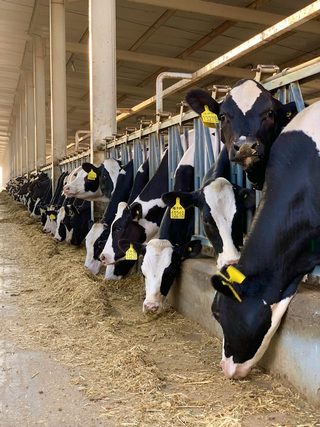
Pennsylvania’s dairy industry is also positioned for a major investment following Chobani’s announcement that it plans to establish its first Pennsylvania dairy manufacturing operation at a 1.5-million-square-foot facility in Upper Macungie Township.
According to the state, Chobani plans to invest $1.2 billion in the operation and create approximately 900 full-time jobs over five years. The facility is expected to process more than three billion pounds of Pennsylvania milk annually, which the state estimates would represent roughly 30% of the milk currently produced in the Commonwealth.
The state has committed $50 million in loans and grants through the PA SITES program in support of the project. Pennsylvania also says $127 million in additional loans and grants will be available directly to eligible dairy farmers.
The size of the proposed operation could have implications throughout the state’s dairy supply chain. Increased processing capacity could create additional demand for Pennsylvania milk, while the availability of state assistance could provide financial support to some producers.
The longer-term effects, however, will depend on how the facility operates, how much milk it ultimately purchases from Pennsylvania farms and how the broader dairy market develops.
Federal Policies Target Livestock Markets
Agricultural policy changes are also taking place at the federal level.
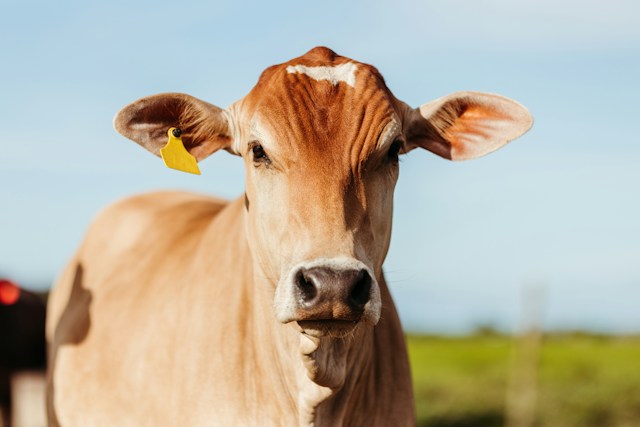
Two executive orders issued September 4 direct the U.S. Department of Agriculture to increase enforcement of the Packers and Stockyards Act, expand interstate market access for meat producers and support smaller and regional meat processors. The administration has also directed agencies to review policies affecting ranchers, including regulations involving wolves and livestock depredation programs.
Another component involves country-of-origin labeling for beef. The administration directed agencies to examine potential changes to mandatory labeling requirements.
These measures could affect livestock producers and processors, but their practical impact will depend on how federal agencies implement the directives and what regulatory changes follow.
Changes to Beef Imports
Beef markets are also being affected by changes to import policy.
A presidential proclamation issued August 26 temporarily increased the amount of imported lean beef trimmings from Argentina that can enter the United States under a lower tariff rate. The 2026 in-quota amount was increased by 300,000 metric tons, following an earlier increase of 80,000 metric tons authorized in February.
The policy is intended in part to address beef prices and supply. For domestic cattle producers, increased imports can introduce additional competition into the U.S. market. For consumers and meat processors, additional supply can have different implications.
The actual market effect will depend on import volumes, domestic production, consumer demand and prices, making it difficult to determine the long-term impact from the policy change alone.
An Agricultural Sector Facing Several Forms of Change
Taken together, these developments show how agricultural policy increasingly intersects with issues beyond traditional farm programs.
Farmers are dealing with questions about land and water regulation while also confronting changes in energy infrastructure, food processing, international trade and business succession. In Pennsylvania, the rapid growth of data centers adds another layer because large energy projects can compete with agriculture for land and infrastructure resources.
At the same time, programs such as Farm Vitality grants and the planned dairy investment demonstrate efforts to strengthen agricultural businesses and processing capacity within the state.
The biggest uncertainties involve policies that have not yet reached their final form. The proposed federal water definitions remain subject to public comment, while several federal agricultural directives will require additional agency action before their full effects become clear. For Pennsylvania farmers and rural communities, tracking those next steps will be important because the eventual rules may have different practical consequences from the initial proposals.